
Protecting your assets through comprehensive property coverage
Property protection exceeds locks and alarms. Comprehensive coverage supplies a fiscal safety net against named perils, liability claims, and catastrophic structural loss.

Establishing a secure foundation for asset protection
Core policy components
Standard policies secure four pillars: dwelling structure, personal contents, civil liability, and loss of use. Distinguishing replacement cost from actual cash value is vital for valuation. The former pays current rates, while the latter applies depreciation, leaving a funding deficit during disaster recovery.
Beyond the walls, coverage extends to detached structures like garages or sheds. Homeowners must review limits to ensure outbuildings receive financial protection proportional to their valuation.
Identifying regional hazards and policy exclusions
Vulnerability assessment
Each region presents unique hazards, from fire to windstorms. While basic plans cover common perils, specific risks like floods or earthquakes demand separate riders or supplemental policies. Overlooking these exclusions causes financial devastation. Assessing property vulnerability identifies necessary endorsements to close coverage gaps.
Water damage remains complex; sudden bursts are generally covered, while gradual leaks from negligence are denied. Routine inspections of plumbing and roofing are mandatory for policy adherence.


Tailoring insurance for specialized scenarios

Managing the claims process after incidents
Prompt action determines claim success following losses. Documenting damages via photos before cleanup is vital. A pre-existing home inventory accelerates adjudication, allowing insurance adjusters to verify ownership and valuation instantly, ensuring a smoother path to settlement reimbursement.
Providing coverage for diverse housing types
Adaptable dwelling solutions
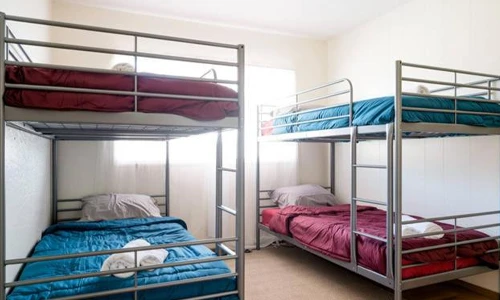
Shared accommodation and co-living
Tailored insurance for shared accommodation protects personal effects and joint civil liability. It ensures individual tenant possessions are covered against theft, fire, or accidental damage. Furthermore, it clarifies contractual responsibilities and coverage limits in co-living arrangements.

Student housing and dormitories
Student housing coverage secures belongings against risks in dormitories or shared apartments. It offers liability protection if accidental damage affects the landlord’s property. Many policies also extend to personal electronics stolen outside the residence.

Second home and vacation rentals
Second home insurance secures vacation properties against theft, water intrusion, and natural disasters. It provides liability coverage for premises injuries. Additionally, options exist for alternative accommodation or loss of rental income if the dwelling becomes uninhabitable.

Understanding policy rules and legal responsibilities
Fulfilling policyholder obligations guarantees effective asset preservation. Declaring high-value items, ensuring routine maintenance, and installing protective safeguards like alarm systems mitigates risk exposure. Furthermore, timely premium payments and immediate incident reporting facilitate claims processing and maintain coverage continuity. Adhering to these contractual duties secures financial stability.